

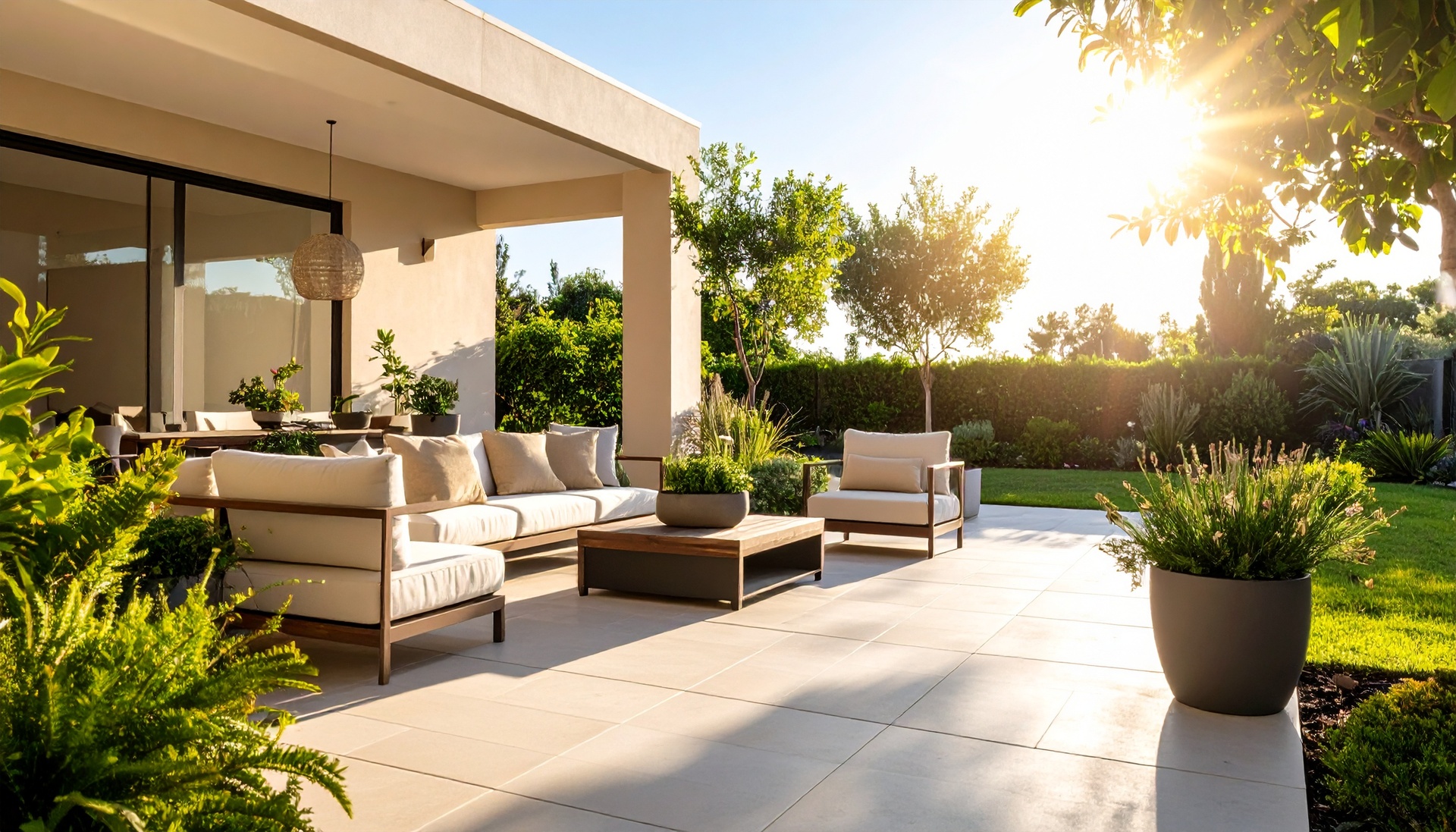
Walk into a modern tile showroom and certain installations instantly feel more refined than others. The lines are cleaner. The grout joints look tighter. The entire surface feels intentional, not accidental. That visual impact is rarely about color alone. More often, it comes down to one small but powerful detail: rectified tile edges.
Rectified tiles have become a clear favorite among today’s buyers because they deliver a level of precision that traditional tile simply cannot match. The difference may seem subtle at first glance, but once noticed, it is hard to ignore—and even harder to unsee.
The precision that changes everything
Rectified tiles are mechanically finished after firing, meaning each tile is cut to exact dimensions. Unlike pressed tiles that vary slightly in size, rectified tiles are nearly identical from piece to piece.
This precision allows for thinner grout joints, typically around 1/16 of an inch. The result is a tighter, more seamless layout that feels architectural rather than decorative. Buyers drawn to modern interiors often respond to this instantly, even if they cannot articulate why the surface feels “better.”
Clean lines that feel more modern
One of the biggest reasons rectified tile edges stand out is the way they emphasize straight lines and crisp geometry. Floors and walls appear more continuous, which aligns perfectly with contemporary design preferences.
Large-format tiles benefit the most from rectification. Without it, even minor size variations become obvious over a wider surface. With rectified edges, large tiles maintain alignment, allowing layouts that feel calm, balanced, and intentionally designed. This is why many buyers exploring premium tile flooring options are immediately drawn to rectified collections.
Why grout lines matter more than expected
Grout is often treated as an afterthought, but buyers are increasingly sensitive to how it affects the overall look of a space. Wide grout lines visually break up a surface, adding contrast and texture. While that can work in rustic or traditional designs, it tends to fight against modern aesthetics.
Rectified tiles minimize grout visibility, letting the tile itself take center stage. This creates a smoother visual flow across floors, showers, and backsplashes. The space feels larger, cleaner, and more cohesive—qualities that resonate strongly with today’s buyers.
A premium look without extra ornamentation
Rectified edges naturally elevate the appearance of a room without relying on bold patterns or dramatic colors. Even neutral tiles gain sophistication simply through precise installation.
For buyers interested in timeless design rather than trends that fade, rectified tile offers a safe but upscale choice. It delivers a high-end finish that still feels restrained and versatile, making it suitable for kitchens, bathrooms, and open living areas alike.
Installation quality becomes part of the appeal
Interestingly, rectified tiles also signal craftsmanship. Buyers often associate the clean, aligned look with professional installation and attention to detail. Even without knowing the technical term, many perceive rectified layouts as “better done.”
That perception matters in home remodeling decisions. A surface that looks carefully planned builds confidence in the overall quality of the renovation. This is especially true when rectified tiles are paired with thoughtful layouts and proper substrate preparation, topics often explored when browsing tile options and finishes for different spaces.
Where rectified tile edges shine the most
While rectified tiles work well almost anywhere, certain applications highlight their advantages more clearly.
In kitchens, they create sleek backsplashes that feel continuous and uncluttered. In bathrooms, they enhance spa-like designs by reducing visual noise. On floors, especially in open-concept homes, rectified edges help maintain consistent lines across large areas, reinforcing a sense of flow and spaciousness.
Practical considerations buyers appreciate
Beyond aesthetics, rectified tiles offer practical benefits that buyers value. Smaller grout joints mean less grout to clean and maintain over time. Dirt and discoloration have fewer places to hide, which aligns well with modern expectations for low-maintenance surfaces.
It is worth noting that rectified tiles require precise installation and proper spacing to allow for movement. When installed correctly, however, the long-term performance matches the refined appearance buyers expect.
Why rectified edges align with today’s design mindset
Today’s buyers are more design-aware than ever. Social media, renovation shows, and online inspiration have raised expectations across the board. Clean layouts, minimal transitions, and cohesive surfaces are no longer niche preferences—they are mainstream desires.
Rectified tile edges meet these expectations effortlessly. They support modern design without overpowering a space, offering clarity instead of clutter. That balance is exactly why they stand out so quickly to anyone shopping for tile with a discerning eye.
Bringing the look home with confidence
Seeing rectified tiles installed properly often changes how buyers view tile altogether. What once felt like a purely functional material becomes a design feature in its own right. The sharp edges, narrow grout lines, and seamless surfaces communicate quality before a single word is spoken.
We’re here to help with tile selection, layout ideas, and next-step planning—reach out through our contact page to get started.


