

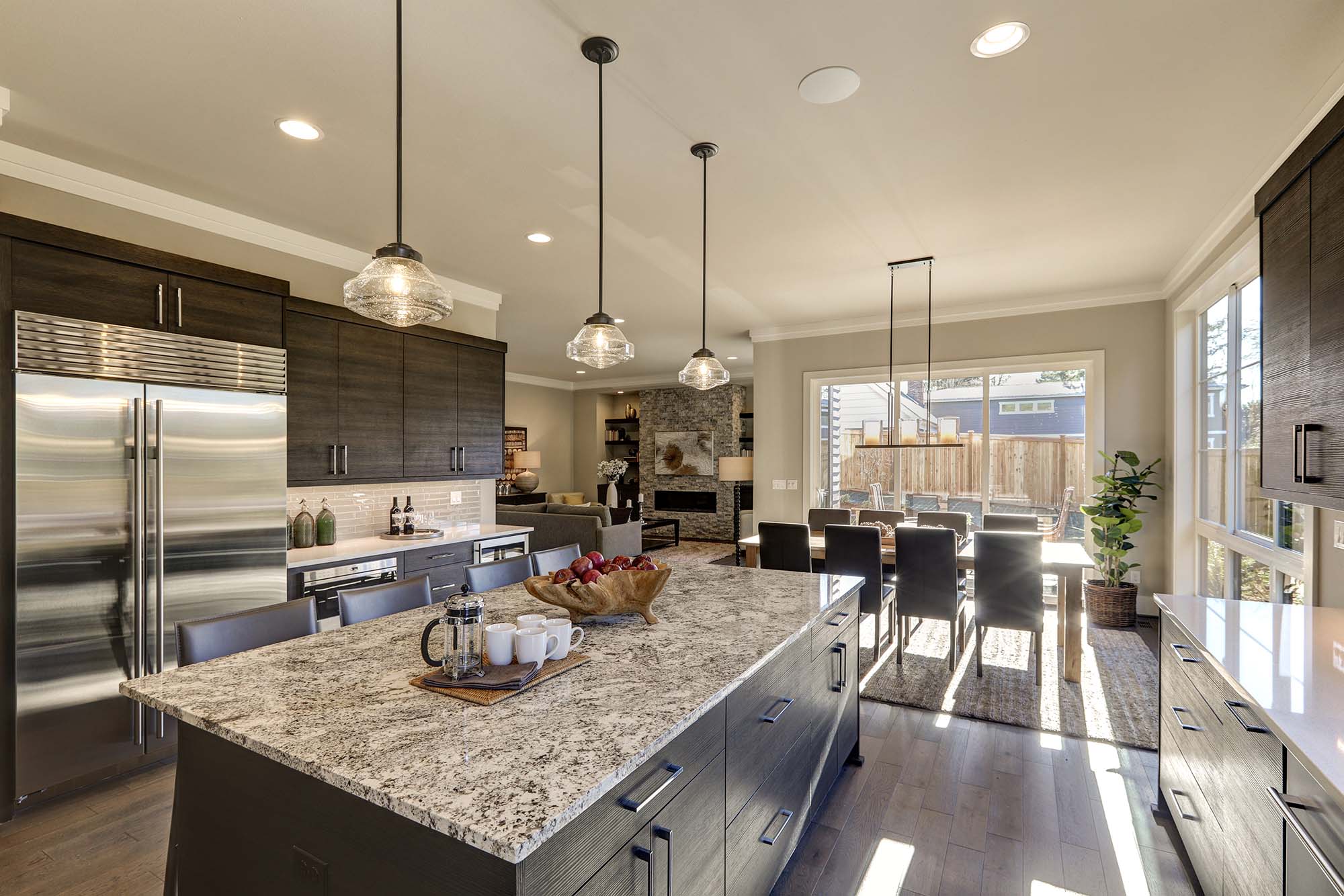
A kitchen can look beautifully finished and still feel inconvenient when it is used every day. Ingredients may have no comfortable place to be prepared, appliances can occupy valuable work surfaces, and the distance between the sink, refrigerator, and cooking area can make ordinary tasks feel unnecessarily complicated. Countertops play a central role in these everyday routines because they provide the working surface for preparing meals, setting down groceries, serving food, and cleaning up afterward. For homeowners in Chico, CA, planning a kitchen renovation, choosing countertops around actual cooking habits can be just as important as selecting a color or material that complements the cabinets.
Different households use their kitchens in different ways. A family that prepares several meals each day may prioritize generous preparation space and straightforward cleanup, while someone who enjoys baking may need room for mixing bowls, rolling dough, and organizing ingredients. Homeowners who entertain frequently may want a surface that supports serving and socializing without disrupting the main cooking area. Understanding these patterns before selecting a countertop helps turn a design decision into a practical improvement that supports the way the kitchen is used.
Map the Tasks That Happen on Your Countertops
Begin by observing how the kitchen works during a normal day rather than imagining how it might look in a finished renovation photograph. Identify where groceries are unloaded, where vegetables are washed, where ingredients are chopped, and where hot dishes are placed before serving. Notice whether several people often work in the kitchen at the same time and whether small appliances occupy surfaces that could otherwise be used for food preparation. These everyday observations can reveal which areas need more space and which parts of the current layout create unnecessary friction.
It can be helpful to divide the kitchen into functional zones, such as food storage, preparation, cooking, cleaning, and serving. The zones do not need to be separated by physical barriers; they simply help explain how the work surface will be used. A preparation area near the sink may be convenient for washing produce, while a clear landing space near the oven can provide somewhere to place cookware. Mapping these tasks before choosing the countertop material allows the design to address function and appearance together.
Give Food Preparation Enough Uninterrupted Space
One of the most common frustrations in a kitchen is having too little clear space for preparation. A countertop may technically provide a large amount of square footage, but the usable area can shrink when a coffee maker, toaster, knife block, charging station, and other items occupy the surface. If cooking is a regular part of household life, consider which appliances genuinely need to remain on the counter and which could be stored elsewhere. Clearing even a modest area can make the kitchen feel more organized without requiring a complete change to the room's footprint.
During a renovation, think about where the primary preparation surface should sit in relation to the sink, refrigerator, and cooking equipment. The ideal arrangement depends on the kitchen's dimensions, doorways, appliance placement, and the people using the room. A long stretch of countertop may be more useful than several smaller areas separated by appliances or corners. Discuss the proposed layout with your designer or installer so that the selected countertop works with the cabinets and supports the intended workflow.
Choose a Surface That Suits Your Cooking Habits
Countertop materials differ in appearance, maintenance requirements, and the care they need during everyday use. Natural stone, quartz, solid-surface materials, and other engineered options should be compared according to their specific characteristics rather than treated as interchangeable products. Some surfaces require periodic sealing or particular cleaning methods, while others have different maintenance routines. The right material depends on how you cook, how much upkeep you are prepared to manage, and the design you want to achieve.
Ask detailed questions about resistance to staining, scratching, heat, and common household products, and confirm the manufacturer's guidance for the specific material under consideration. Avoid assuming that a countertop is immune to damage simply because it is described as durable. For example, hot cookware should only be placed directly on a surface when the manufacturer explicitly permits it; otherwise, use an appropriate trivet or heat protection. Understanding the product's strengths and limitations helps you select a surface that fits your real routine instead of relying on broad marketing claims.
Plan the Landing Areas Around Appliances
Everyday kitchen tasks often involve moving objects from one surface to another, and the space available beside appliances can influence how comfortably those tasks are completed. Consider where grocery bags will be set down after shopping, where ingredients will wait before cooking, and where dishes will rest when they come out of the oven. A well-planned landing area can make these activities easier without requiring more cabinetry or a larger kitchen.
When reviewing the layout, look at the refrigerator, microwave, oven, cooktop, and dishwasher in relation to the available countertop space. The appropriate clearances and surrounding surfaces depend on the appliance instructions and the kitchen design, so confirm those requirements with the relevant professionals. Avoid placing a design feature where it would interfere with appliance doors, access, or safe movement. A countertop should improve the usability of the room rather than create an attractive but awkward arrangement.
Make Room for Baking, Serving, and Entertaining
Households that bake regularly may benefit from a dedicated preparation area where ingredients, mixing bowls, and tools can be organized without taking over the entire kitchen. The preferred surface should be considered in relation to the tasks being performed, the available space, and the material's care instructions. If baking is occasional rather than frequent, a flexible work area that can be cleared when needed may be more practical than dedicating a large portion of the kitchen to one activity.
Entertaining introduces a different set of needs. A kitchen island or extended counter may provide a place for serving dishes, drinks, or appetizers while keeping the main preparation area available for cooking. Think about whether guests tend to gather around the island and whether the layout leaves enough room for people to move without obstructing the cook. Countertop dimensions, seating arrangements, edge details, and nearby walkways should all be considered as part of the same plan.
Understand How Countertop Seams Affect the Design
Countertop seams are sometimes unavoidable, depending on the material, slab dimensions, layout, and shape of the installation. Their placement can influence both the visual appearance and the practical use of the surface. A seam positioned near a sink, cooktop, or another frequently used area may create different considerations from one located along a less prominent section of the counter. The possibilities depend on the selected material and the measurements of the kitchen.
Discuss seam placement before fabrication begins, especially if the countertop has a pronounced pattern or directional veining. The fabricator may need to consider how separate sections align and how the pattern continues across corners or an island. Ask which seam locations are feasible and whether the proposed arrangement affects the appearance or use of the surface. Although not every seam can be eliminated, planning can help make the finished result feel more intentional.
Consider Edges, Overhangs, and Everyday Comfort
The countertop edge may seem like a small detail, but it affects the overall appearance and how the finished surface meets the cabinetry. Different edge profiles create different visual effects, from simple contemporary lines to more decorative traditional details. The choice should suit the style of the kitchen, the thickness of the material, and the design of nearby elements. Before deciding, ask which profiles are available for the specific countertop product and whether the chosen edge affects fabrication requirements.
Overhangs also deserve attention when the countertop extends beyond the cabinets or creates seating at an island. The appropriate dimensions and support requirements depend on the material, the layout, and the intended use. A countertop should not be treated as a seating platform or support surface unless the design has been planned for that purpose. Discuss the structural details with the fabricator or installer so the finished design meets the relevant requirements while remaining comfortable to use.
Coordinate the Countertop With Cabinets and Backsplash Materials
A countertop rarely works in isolation. Its color, texture, and pattern interact with cabinet doors, wall finishes, flooring, lighting, hardware, and the backsplash. If several elements have strong patterns or high contrast, the kitchen can feel visually crowded. A more restrained countertop may provide balance, while a distinctive surface can become the focal point when the surrounding materials are simpler. The best combination depends on the room's proportions and the atmosphere you want to create.
Compare samples together whenever possible rather than choosing each finish at a different stage of the renovation. Natural and engineered materials can vary from sample to sample, and lighting can influence how colors appear. If the countertop contains pronounced movement or veining, consider how the backsplash will relate to that pattern without competing with it. The objective is not to make every surface identical, but to create a coherent composition in which each material has a clear role.
Plan Maintenance Around Real Life
A beautiful countertop should also fit the time and effort you are willing to devote to care. Consider whether the surface needs sealing, which cleaners are approved, and how spills or common cooking residues should be handled. A household that cooks frequently may place more value on a straightforward maintenance routine than one that uses the kitchen mainly for occasional meals. Comparing the actual care requirements of each material helps prevent a mismatch between the selected product and the way the kitchen is used.
Ask how the surface should be cleaned after contact with oils, acidic ingredients, colored liquids, or other common kitchen substances. The appropriate response varies by material, so follow the manufacturer's recommendations rather than applying a universal cleaning method. Use cutting boards where recommended, protect the surface from unsuitable heat exposure, and address spills promptly. Good maintenance habits cannot make a material indestructible, but they can help preserve its appearance and reduce avoidable damage.
Account for the Complete Countertop Project
Budgeting for a countertop renovation involves more than comparing the price of individual materials. Measurements, fabrication, cutouts, edge profiles, seams, delivery, installation, removal of existing surfaces, and any required cabinet preparation may all affect the final cost. A product with a lower material price may not necessarily produce the lowest overall project cost once the full scope is considered. Requesting a clear estimate helps you understand what is included and identify any work that may need to be coordinated with other trades.
Before confirming an order, verify the measurements, sink and faucet specifications, appliance locations, and any details that could affect fabrication. Ask how the project schedule will coordinate with cabinetry, plumbing, electrical work, and backsplash installation. Resolving these questions early can help reduce delays and limit the likelihood of changes after the countertop has been fabricated. A well-planned installation depends on accurate information as much as it depends on choosing an attractive material.
Design a Kitchen That Works as Well as It Looks
The most successful countertop choice begins with the way the kitchen functions. By identifying preparation needs, considering appliance landing areas, evaluating material characteristics, and planning the relationship between surfaces, homeowners can make decisions that improve both daily use and visual appeal. A carefully considered countertop can help the kitchen feel more organized, provide space for the activities that matter most, and support the wider design of the room.
Homeowners in Chico, CA, can explore the countertop and solid-surface options at Dave's Tile City when planning a kitchen renovation. Compare materials, discuss your cooking habits, and consider the details that influence how the finished surface will perform in your home. To discuss measurements, design choices, or a kitchen and bath project, request a free estimate or contact Dave's Tile City. The team serves Chico, Oroville, Paradise, Durham, Gridley, Orland, and Red Bluff, CA.


