

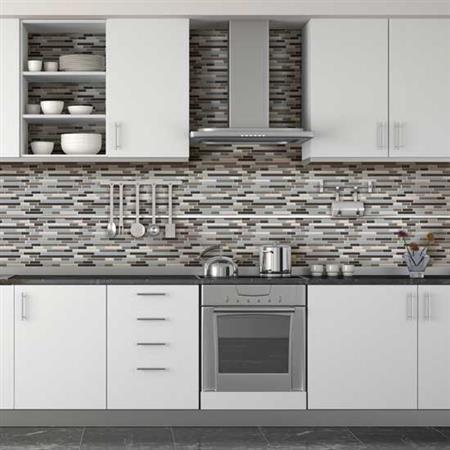
Tile has a reputation for being practical, but treating it as merely a durable surface misses one of its greatest advantages. Today's tile can become one of the strongest design features in a home, influencing everything from the atmosphere of a kitchen to the character of a bathroom, entryway, or living space. With an enormous range of colors, textures, patterns, shapes, and sizes available, homeowners can use tile to create a room that feels distinctly their own. For homeowners beginning a renovation, exploring the tile selection at Dave's Tile City can be a useful first step toward discovering what is possible.
Think Beyond the Traditional Tile Floor
When many people hear the word tile, they immediately picture a kitchen floor or bathroom floor. Those applications remain popular, but tile has become much more versatile. It can travel up walls, frame a shower, create a backsplash, define an entryway, or become a decorative feature behind a range or vanity.
This flexibility allows homeowners to use tile in ways that are much more creative than simply covering a floor. A neutral tile can establish a quiet foundation, while a patterned or textured design can become the focal point of an otherwise understated room.
Large Format or Small Scale?
Tile size can completely change the appearance of a space. Large-format tiles can create a clean, contemporary look with fewer visible grout lines, making them particularly appealing in open areas. Smaller tiles can introduce more visual detail and work beautifully when homeowners want patterns, borders, or intricate arrangements.
The size of the room should not be the only consideration. Furniture, cabinetry, architectural details, and the overall design style should also influence the choice. Sometimes a large room benefits from the visual interest of smaller tiles, while a compact space can appear calmer with a larger format.
Grout Is Part of the Design
Grout is often treated as a technical necessity, but it can have a significant influence on the finished appearance. A grout color that closely matches the tile can create a more continuous surface, while contrasting grout can emphasize individual shapes and patterns.
This becomes particularly important with decorative tile. If the tile itself has a strong pattern, a subtle grout color may allow the design to remain the focus. With simple tiles, contrasting grout can introduce another layer of visual character.
Tile Can Connect Different Spaces
One of the most effective ways to use tile is to create visual continuity between areas of the home. The same or complementary tile can move from an entryway into a kitchen, for example, creating a natural transition between spaces. Alternatively, different tile designs can be coordinated through similar colors or textures.
This approach can make a home feel intentionally designed rather than like a collection of individually renovated rooms. It also gives homeowners an opportunity to establish a consistent design language throughout the property.
Create a Surface That Looks Like You
The best tile choice is rarely just about what is currently trending. It should reflect how the room is used, how much maintenance the homeowner wants, and what kind of atmosphere they want to create. A carefully selected tile can provide a combination of performance and personality that continues to work long after the renovation is complete.
Dave's Tile City serves homeowners throughout Chico, Oroville, Paradise, Durham, Gridley, Orland, and Red Bluff, CA, from its Chico showroom. Whether you are planning a new floor, backsplash, shower, or another tile project, contact Dave's Tile City to discuss your project and explore your options.


