

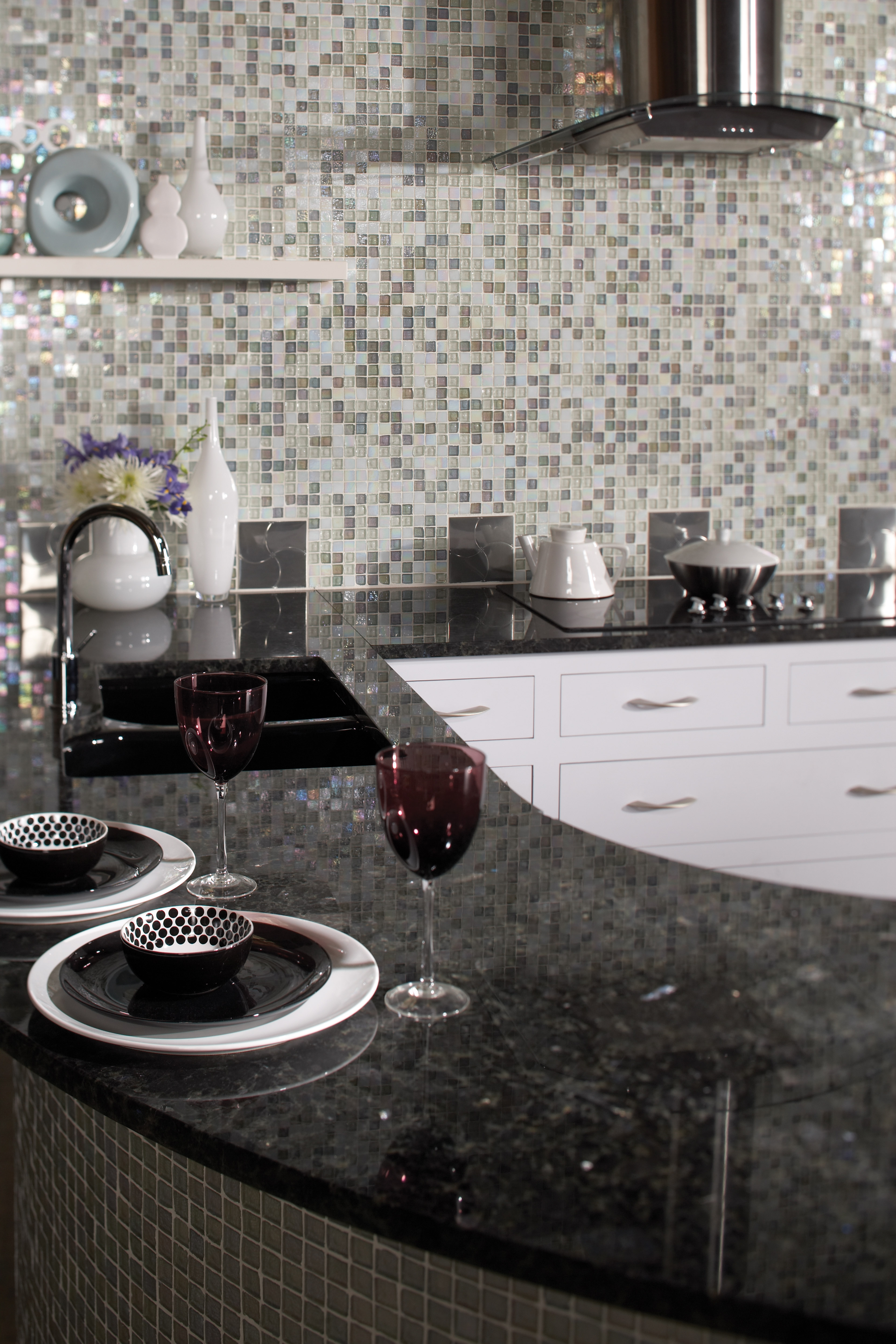
Choosing between natural stone and engineered materials for your countertops can feel like standing at a crossroads. Both paths lead to beautiful destinations, but the journey and final result differ significantly. Understanding these differences helps you make a decision that aligns with your lifestyle, budget, and aesthetic vision.
Natural stone countertops, including granite, marble, quartzite, and soapstone, offer something engineered materials can never truly replicate: the authentic beauty of nature's artistry. Each slab tells a geological story millions of years in the making. The veining in marble formed through intense heat and pressure, while granite's speckled patterns developed as molten rock slowly cooled deep within the earth. This means your countertop is genuinely one-of-a-kind – no neighbor or friend will ever have exactly the same pattern gracing their kitchen.
However, natural stone requires commitment. Marble, despite its luxurious appearance, is vulnerable to etching from acidic substances like lemon juice or wine. Granite needs periodic sealing to maintain its stain resistance. Soapstone develops a patina over time that some homeowners love while others find challenging. These characteristics aren't flaws; they're part of the stone's living nature, changing and aging gracefully with your home.
Engineered materials like quartz and porcelain slabs have revolutionized the countertop industry. Quartz combines roughly 90% ground natural quartz with resins and pigments, creating a surface that's remarkably consistent and incredibly durable. It resists stains without sealing, won't harbor bacteria, and stands up to daily wear with minimal maintenance. Modern manufacturing techniques can even mimic the look of exotic marbles without the associated upkeep.
The cost conversation isn't as straightforward as many assume. While some engineered options cost less than premium natural stones, high-end quartz can rival or exceed the price of many granites. Installation costs remain similar, as both materials require professional templating, cutting, and installation. The real savings often appear in long-term maintenance – engineered materials typically require less ongoing care and fewer specialized cleaning products.
Heat resistance becomes a crucial factor for passionate cooks. Natural stone, particularly granite and quartzite, can handle hot pots directly from the stove. Engineered quartz, despite its durability, can suffer damage from excessive heat due to its resin content. This single factor leads many avid entertainers toward natural stone, especially for kitchen islands where hot dishes frequently land during gatherings.
Environmental considerations increasingly influence countertop decisions. Natural stone requires only cutting and polishing, making it a relatively low-processing option. However, transportation from quarries worldwide creates a carbon footprint. Engineered materials involve more manufacturing but often incorporate recycled content and can be produced closer to home, potentially reducing transportation impacts.
Dave's Tile City showcases extensive selections of both natural stone and engineered countertops, allowing you to see and feel the differences firsthand. Our experts help homeowners throughout Chico, Oroville, Paradise, Durham, Gridley, Orland, and Red Bluff make informed decisions based on their specific needs and preferences, ensuring your countertop choice enhances your daily life for years to come.


