

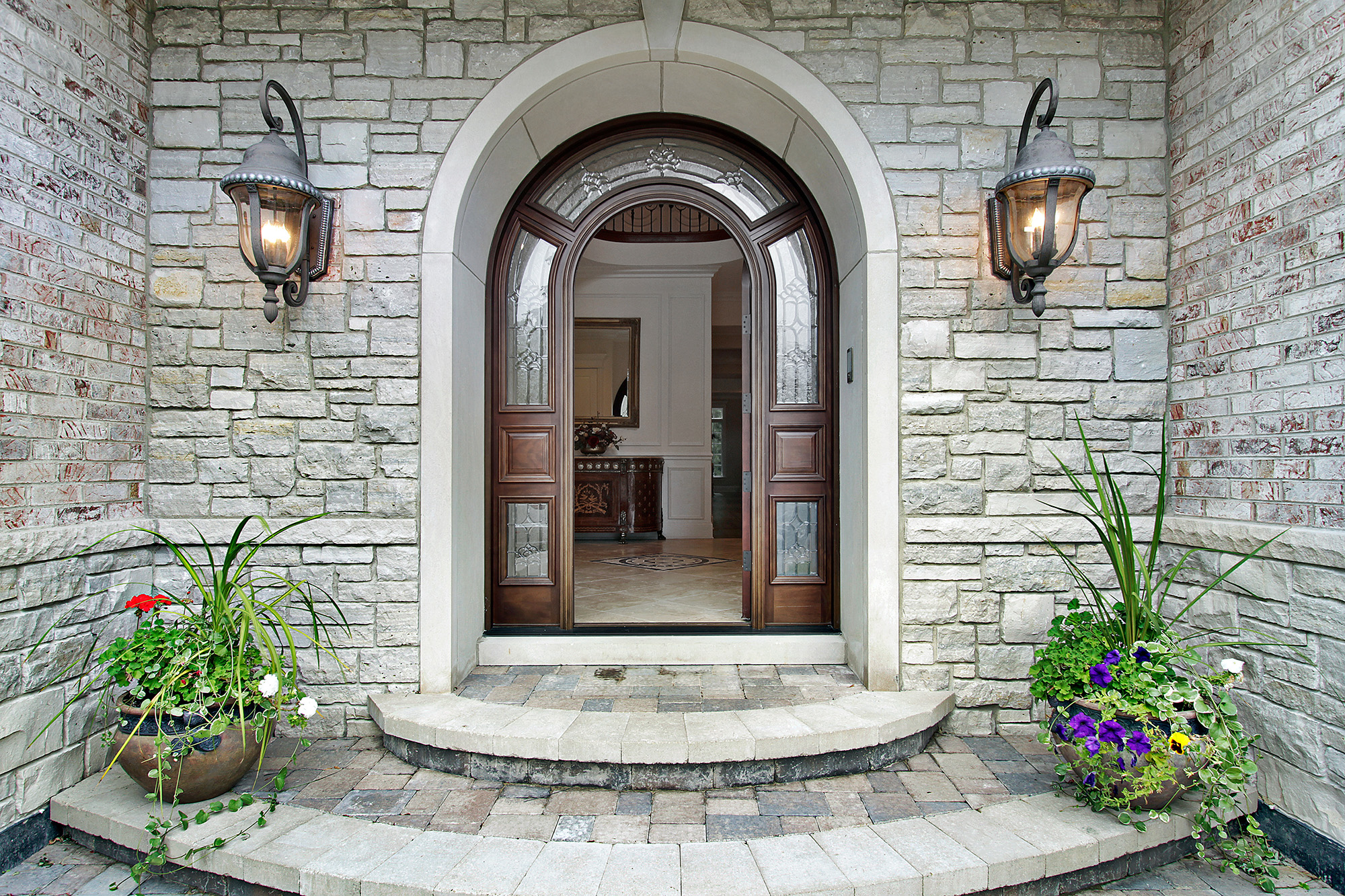
The entryway establishes the first impression of a home long before guests see the living room, kitchen, or other interior spaces. It is where people arrive, remove their shoes, set down bags, greet visitors, and move between the outdoors and the rest of the house. Although entryways are sometimes treated as transitional areas rather than important design spaces, their flooring can influence both the character of the interior and the way the entrance functions. Natural stone offers homeowners an opportunity to introduce authentic material variation, distinctive texture, and a sense of permanence from the moment someone steps inside.
For homeowners in Chico, CA, considering an entryway renovation, natural stone can create a welcoming transition between the front door and the main living areas. Marble, slate, travertine, and other stone varieties each have their own visual characteristics and care requirements, so the decision involves more than selecting a color. The best choice depends on the location, expected traffic, exposure to moisture and dirt, installation conditions, and the look you want to achieve. Understanding these factors before choosing a stone can help you create an entrance that feels distinctive while remaining suitable for everyday use.
Think of the Entryway as Part of the Home's Architecture
An entryway should feel connected to the rest of the house while still having a clear identity of its own. In some interiors, the entrance opens directly into a living room or open-concept layout, making a continuous design especially important. In other homes, a separate foyer creates an opportunity to introduce a different material or pattern that establishes the transition between the exterior and interior. Natural stone can support either approach, depending on the color, finish, format, and layout selected.
Begin by evaluating the proportions of the entrance, the amount of natural light, and the materials already in place. Wood doors, painted trim, wall colors, cabinetry, and adjacent flooring all influence how a stone surface will look. A warm stone tone may complement traditional woodwork, while a cooler or more varied material can suit a contemporary interior. Consider the view from the front door and from the adjoining rooms so that the finished entryway feels intentional from every important angle.
Compare Natural Stone Types Before Choosing a Style
Natural stone is not a single uniform material. Marble, slate, travertine, limestone, and other varieties differ in their appearance, texture, mineral composition, and maintenance requirements. Marble may offer distinctive veining and a refined appearance, while slate can introduce a more varied surface and earthy character. Travertine often features natural variation and characteristic surface details, while other stones can provide different combinations of color, texture, and pattern. These distinctions make it important to compare specific products rather than choosing solely by the name of the material.
Ask about the intended application, finish, care requirements, and suitability of each stone for the conditions in your entryway. Some materials may require more frequent maintenance or particular cleaning products, and the finish can influence the way the surface looks and feels. Natural variation is part of the appeal, but it also means that samples and installed areas may differ in color, veining, and texture. Reviewing the actual material and understanding its characteristics helps set realistic expectations before installation.
Choose a Finish That Suits the Way the Entrance Is Used
The finish of a natural stone floor can influence its appearance, maintenance, and underfoot characteristics. A polished surface may emphasize color and pattern, while a honed finish generally offers a more subdued appearance. Textured finishes can introduce additional visual character, although the suitability of any particular surface depends on the stone and the intended application. These options should be evaluated in relation to the way people enter the home, the amount of light in the foyer, and the cleaning routine you expect to maintain.
Entryways frequently encounter dirt and moisture carried in on shoes, so surface appearance should not be the only consideration. Ask whether the proposed finish is suitable for the expected conditions and what level of traction it offers when the surface is exposed to moisture. No finish should be assumed to be slip-proof. Entrance mats, prompt cleanup, appropriate maintenance, and the correct product selection all contribute to creating a more practical entryway.
Make the Color Work With Natural Light
Lighting can dramatically influence how natural stone appears. A foyer with large windows may reveal variations in the stone throughout the day, while an entrance with limited daylight may rely on overhead fixtures or wall lighting to bring out its character. Pale stones can help a smaller entryway feel brighter, while deeper colors may establish a more grounded, dramatic atmosphere. The result depends on the stone's natural variation, finish, surrounding colors, and the intensity and direction of the light.
Before making a final selection, compare samples with the actual lighting conditions in the entrance. Look at the stone alongside the wall paint, door finish, trim, and adjacent flooring rather than evaluating it by itself. If the entryway connects directly to a darker living room, consider whether the transition should be subtle or deliberately contrasting. These comparisons can help prevent a stone that looked attractive in a showroom from feeling too dark, too warm, or too visually prominent once installed.
Decide Whether the Stone Should Continue Into Adjacent Rooms
Some homeowners prefer the entryway to use the same flooring as adjoining rooms, creating a continuous visual flow throughout the interior. Others want the foyer to have its own material identity, particularly when the entrance is large enough to accommodate a distinct design. Natural stone can work as a feature area when its color and format relate to the surrounding flooring, even if the materials are not identical. The transition should feel deliberate rather than like an abrupt change that was made without considering the overall layout.
If the stone will meet hardwood, tile, carpet, or another flooring material, plan the transition before installation. Differences in material thickness, subfloor height, and edge details can influence the finished result. Ask how the materials will meet at the doorway and whether a transition profile or other detail is appropriate. Planning these connections early helps the entrance feel integrated with the rest of the home and can reduce the need for adjustments once the work is underway.
Use Stone Pattern and Layout to Define the Space
The layout can influence how an entryway feels just as much as the stone itself. Square tiles may create a balanced, traditional appearance, while rectangular formats can introduce a directional quality that guides the eye toward the interior. Larger formats may reduce the number of visible joints, depending on the selected product and installation, while smaller pieces can create a more detailed pattern. The right format depends on the size of the foyer, the dimensions of the stone, and the visual effect you want to achieve.
Before choosing a layout, consider the placement of the front door, nearby walls, closets, and other fixed features. A pattern should be planned around the actual dimensions of the entrance so that cuts and edges appear intentional. If the stone has pronounced veining or natural variation, the installer may need to consider how individual pieces are positioned to create a balanced appearance. Reviewing the proposed layout before installation helps you understand how the full floor will look rather than relying on a small sample alone.
Understand How Natural Variation Shapes the Finished Floor
One of the defining characteristics of natural stone is that no two pieces are necessarily identical. Differences in color, mineral deposits, veining, and surface markings can give an entryway a sense of individuality that is difficult to reproduce with a uniform printed pattern. For homeowners who appreciate natural materials, this variation can become a central part of the design. However, it is important to understand the expected range of variation before selecting the material.
Ask to review the available stone and discuss how the individual pieces may differ from the sample. Where the project involves multiple boxes, batches, or selected pieces, confirm how the material will be evaluated and arranged before installation. A balanced layout does not necessarily mean every piece should look the same; rather, it means the variation should be considered in relation to the overall composition. Taking time to understand the material can help ensure that its natural character aligns with your expectations.
Plan for Dirt, Moisture, and Everyday Foot Traffic
The entrance is often the first place where outdoor dirt and moisture reach the interior. Rainwater, dust, soil, and grit carried in on footwear can affect the floor's appearance and cleaning requirements. Natural stone can be suitable for some entryway applications, but the correct choice depends on the specific stone, finish, installation, and conditions. A material that works well in one entrance may not be appropriate for another, particularly where exposure to moisture or outdoor debris is more substantial.
Consider how the entrance will be used throughout the year and whether people regularly arrive with wet shoes or outdoor equipment. A suitable mat can help collect some of the dirt before it reaches the floor, while routine sweeping or vacuuming can remove loose grit that might contribute to surface wear. Follow the stone manufacturer's cleaning guidance and address spills promptly. If the entrance has a history of water intrusion, resolve the underlying problem before installing a new floor.
Learn About Sealing and Long-Term Maintenance
Some natural stone products may require sealing, but the need for sealing and the recommended schedule depend on the specific material, finish, and manufacturer's guidance. Sealing should not be treated as a universal solution that makes every stone surface stain-proof or maintenance-free. Before purchasing, ask which care products are recommended, whether sealing is necessary, and what routine maintenance is expected for the selected stone.
Cleaning products also matter because natural stone can react differently to chemicals depending on its composition. Use only products approved for the specific stone and avoid assuming that a general household cleaner is appropriate for every surface. Establish a realistic maintenance routine that includes removing loose dirt, cleaning spills, and checking the surface for changes. Understanding these requirements in advance can help you choose a material that fits both your design preferences and your willingness to maintain it.
Coordinate Stone With the Door, Walls, and Entryway Furniture
The floor is only one part of the entrance's appearance. The front door, wall color, trim, lighting, mirrors, console tables, benches, and storage accessories all contribute to the finished space. Natural stone can provide a strong foundation for these elements, but the overall design works best when the materials have a clear relationship. A stone with pronounced variation may benefit from simpler furnishings, while a more restrained floor can accommodate a distinctive console or decorative mirror.
Think about how much furniture the entryway genuinely needs. A bench or compact console may improve everyday convenience, but a crowded entrance can make it harder for people to move through the space. Consider the door swing, walking path, storage requirements, and the way visitors enter the home before choosing furniture dimensions. By planning the floor and furnishings together, you can create an entrance that looks considered without sacrificing the room's practical purpose.
Prepare the Subfloor and Installation Details
Natural stone flooring requires an appropriate installation system and a substrate that meets the relevant requirements for the selected material. The condition of the existing floor, the type of subfloor, and any differences in elevation can affect preparation and installation. Before work begins, the installer should assess the surface and identify any necessary repairs or leveling work. Skipping this step can create problems that affect the finished appearance or performance of the floor.
Ask what the installation estimate includes, including removal of existing materials, substrate preparation, setting materials, grout, sealing where applicable, and transition details. Confirm how the stone will meet adjoining floors, door thresholds, and fixed cabinetry. If the project includes a large entrance or a distinctive pattern, discuss the layout before installation so that the position of cuts and joints is understood. Careful planning helps ensure that the material's natural beauty is supported by an appropriate installation.
Create a Lasting Welcome With Natural Stone
Natural stone can give an entryway a distinctive identity, but the best selection is one that balances visual character with the realities of daily use. By comparing stone types and finishes, considering lighting and layout, planning transitions, and understanding maintenance requirements, homeowners can create an entrance that complements the rest of the home. The result should feel welcoming and well integrated, with materials chosen for both their appearance and their suitability for the space.
Homeowners in Chico, CA, can explore the natural stone selection at Dave's Tile City when planning an entryway renovation or comparing materials for a new home. Discuss the stone's characteristics, finish, installation requirements, and maintenance expectations before making a final decision. To arrange a consultation or discuss your project, request a free estimate or contact Dave's Tile City. The team serves Chico, Oroville, Paradise, Durham, Gridley, Orland, and Red Bluff, CA.


