

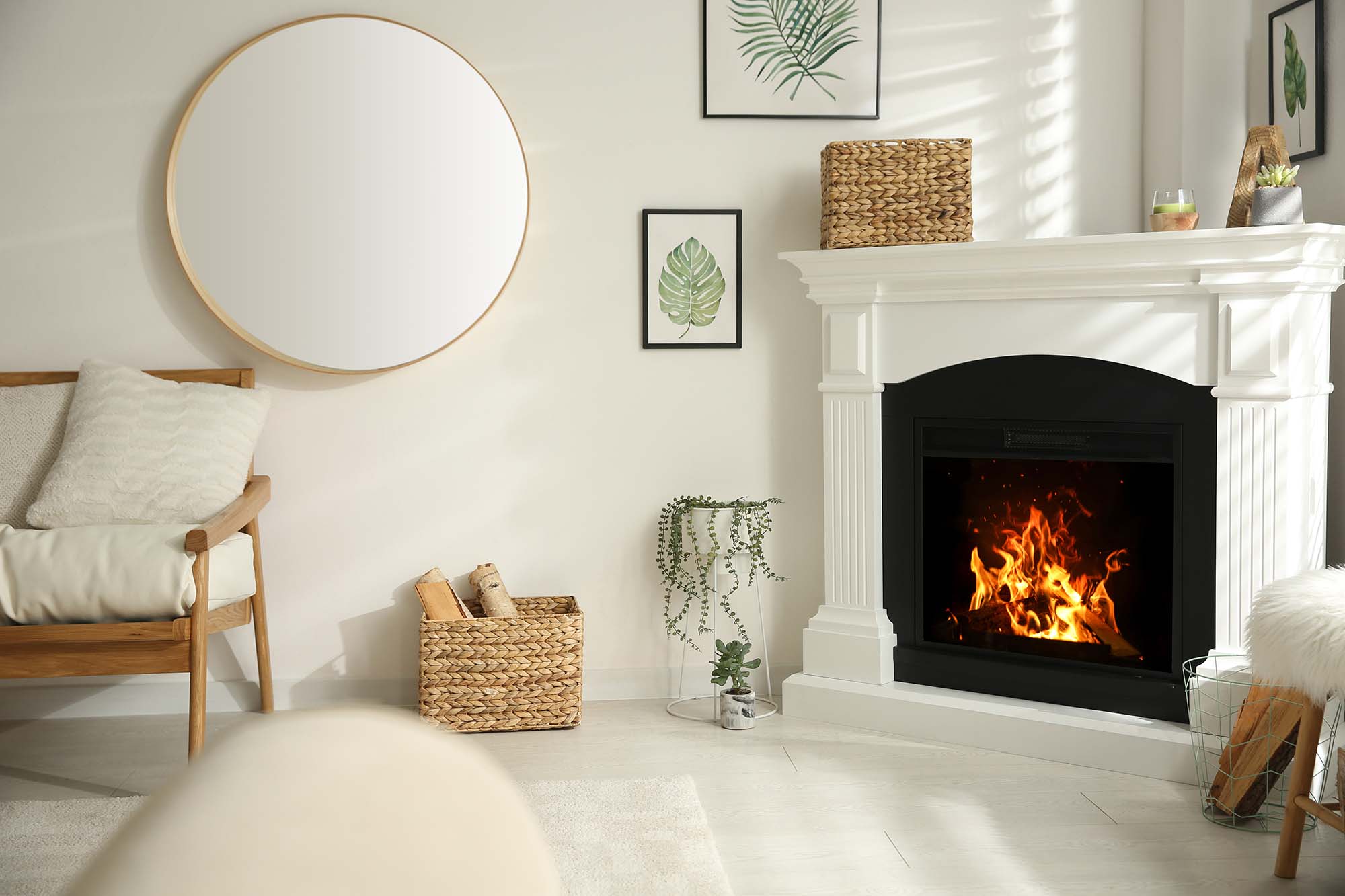
A fireplace can become the natural focal point of a living room, family room, or open-concept interior, but its impact depends on more than the flames behind the glass. The materials surrounding it influence how the entire room feels, whether the fireplace blends quietly into the architecture or becomes a defining design feature. Tile offers homeowners an opportunity to introduce color, texture, pattern, and visual structure without relying exclusively on paint or traditional masonry. For homeowners in Chico, CA, planning a fireplace update, the right tile can help connect the fireplace with the flooring, furniture, cabinetry, and other finishes throughout the home.
Modern fireplace design has moved well beyond the traditional brick surround. Large-format porcelain, geometric tile, handcrafted-looking surfaces, and carefully arranged patterns can create a range of appearances, from understated contemporary interiors to rooms with a more expressive character. However, a fireplace surround is not simply another decorative wall. The materials must be appropriate for the heat exposure, installation conditions, and fireplace manufacturer's requirements. Understanding those practical considerations before choosing a design helps homeowners create a feature that is attractive, functional, and suited to the specific installation.
Decide Whether the Fireplace Should Blend In or Stand Out
Before comparing tile samples, decide what role the fireplace should play in the room. In some homes, the fireplace is intended to anchor the interior with a strong visual feature, while in others it should complement the surrounding materials without drawing too much attention. A large, uninterrupted tile surface in a restrained color can create a quiet architectural presence, whereas a patterned or strongly veined design may become the main feature in the space. Neither approach is automatically better; the right choice depends on the proportions of the room and the overall decorating direction.
Look at the fireplace in relation to the ceiling height, windows, built-in shelving, furniture, and adjacent walls. A tall fireplace may benefit from a vertical layout that emphasizes its height, while a wider surround may suit a horizontal arrangement that reinforces the room's proportions. Consider how the fireplace looks from the main seating area and from nearby spaces, particularly in an open floor plan. Planning the design around the room rather than the tile sample alone helps create a more cohesive result.
Explore Large-Format Tile for a Modern Fireplace
Large-format tile can create a relatively uninterrupted appearance by reducing the number of visible grout joints across a surface. This approach may work particularly well in contemporary interiors where clean lines and simplified detailing are important. Depending on the product, a large-format tile can imitate the appearance of stone, concrete, or other architectural materials while providing a more controlled pattern than a naturally varied surface. The visual effect can be especially striking when the tile extends vertically beyond the immediate firebox surround.
However, large-format tile requires careful planning. The installer must account for the substrate, product specifications, handling requirements, and the position of joints around corners, openings, and edges. The dimensions of the fireplace should be measured before the tile is selected so that cuts and grout lines can be considered as part of the design. Ask whether the chosen tile is suitable for the intended fireplace application and follow the fireplace manufacturer's clearances and installation requirements rather than assuming that every tile material can be used in every location.
Use Tile Pattern to Introduce Architectural Character
Pattern can make a fireplace surround feel distinctive without requiring an elaborate collection of decorative objects. A herringbone arrangement, a carefully aligned rectangular pattern, or a geometric design can introduce movement and structure to a surface that might otherwise feel flat. Patterned tile can also help connect the fireplace to details elsewhere in the room, such as the lines of built-in cabinetry, ceiling beams, or furniture. The key is to choose a layout that supports the architecture instead of competing with every other element.
When evaluating a patterned tile, consider the scale of the design and the dimensions of the area being covered. A small repeating motif may create a detailed, textured appearance, while a larger pattern can make a stronger statement across a broad surround. Request enough samples to understand how the design repeats and where cuts may fall around the firebox. A layout that looks attractive on a single sample may appear very different when repeated across a full installation, so reviewing the pattern at a larger scale is an important step.
Bring Texture Into the Room Without Overcomplicating It
Texture can add depth to a fireplace even when the color palette is neutral. A subtly structured surface may create shadows as daylight moves through the room, while a more pronounced texture can make the fireplace feel tactile and architectural. Some homeowners prefer the natural variation associated with stone-inspired designs, while others may want a smoother surface that reflects light and feels more contemporary. The choice should relate to the room's existing materials and the amount of visual detail already present.
Balance is particularly important when the fireplace sits beside prominent flooring, patterned upholstery, or decorative shelving. If the room already contains several competing textures, a simpler tile may allow those materials to work together more comfortably. If the rest of the interior is restrained, a textured surround can provide a welcome focal point. Ask about cleaning requirements and whether the surface is appropriate for the intended location, especially where soot, dust, or other residue could affect maintenance.
Choose Colors That Work With Flooring and Furniture
The fireplace should feel connected to the room even when its tile differs from the surrounding flooring. Warm neutral tile can complement wood furniture and earthy finishes, while cooler gray or charcoal tones may suit interiors with crisp cabinetry, black accents, or a more contemporary palette. A light surround can provide contrast against a darker wall, whereas a deeper tone may create a grounded focal point in a room with pale walls and generous natural light.
Do not select a fireplace tile based on a small sample viewed in isolation. Compare it with the flooring, paint, trim, and furniture materials that will remain in the room. Natural and artificial lighting can influence how a tile's undertones appear, particularly when the surface has a reflective finish or visible variation. If the fireplace connects two adjoining living areas, view the proposed tile from both spaces to ensure that the color and pattern work within the wider interior rather than only from one angle.
Plan the Transition Around the Firebox
The area immediately surrounding the firebox requires particular attention because the opening, trim, and tile edges must work together. The selected materials and installation methods must comply with the fireplace manufacturer's specifications, including any requirements for noncombustible materials, clearances, and heat exposure. The decorative design should never interfere with ventilation, access panels, doors, or other functional parts of the fireplace system.
Before installation, discuss the placement of the tile edges, corners, grout joints, and any trim pieces. Decide whether the surround should finish flush with the surrounding wall or project slightly to create a more defined architectural frame, provided the proposed construction is suitable for the fireplace. A detailed layout can help avoid awkward slivers of tile around the opening and make the final installation feel deliberate. These decisions are best made before materials are ordered and work begins.
Make the Hearth Part of the Overall Design
If the fireplace includes a hearth, its relationship to the vertical surround should be considered from the beginning. The hearth may use the same tile for a continuous appearance or a complementary material that gives the lower section its own visual identity. Either approach can work, but the materials must be appropriate for the location and meet the applicable requirements for the fireplace installation. A hearth is also a functional surface, so the selection should account for its intended use as well as its appearance.
Consider how the hearth relates to the flooring immediately around it. A strong contrast can clearly define the fireplace zone, while a more closely coordinated finish may make the feature feel integrated into the room. If the hearth projects into a walkway, pay attention to its dimensions and edges so that it does not create an unexpected obstacle. The final design should be visually balanced and practical for the way people move through the space.
Coordinate Lighting and Decorative Details
Lighting can change the way a fireplace surround looks throughout the day. Natural light may reveal texture and color variation, while wall sconces or recessed lighting can emphasize the surface after sunset. Reflective finishes may produce highlights, whereas matte surfaces generally create a more subdued effect. If lighting is part of the renovation, evaluate how its direction and intensity will interact with the proposed tile before finalizing the material.
Decorative objects should support the fireplace design rather than obscure it. A simple mantel arrangement may be appropriate when the tile contains strong pattern or movement, while a quieter surround can accommodate more expressive artwork or accessories. Keep the scale of the objects in proportion to the fireplace and consider how the feature will look when the room is in everyday use. A successful design should remain visually satisfying without requiring constant rearrangement or elaborate styling.
Prepare for Installation Before Choosing the Final Tile
The condition of the wall or existing surround can influence which tile products and installation methods are appropriate. Before work begins, the installer should evaluate the substrate and determine whether removal, repair, or additional preparation is required. Existing materials, wall irregularities, and the dimensions of the firebox may affect the finished layout, so a professional assessment helps establish what is practical for the specific project.
Ask for a clear explanation of the installation scope, including substrate preparation, setting materials, grout selection, edge treatments, and cleanup. Confirm that the proposed tile and installation system are suitable for the fireplace and consistent with the manufacturer's requirements. Planning these details alongside the design helps avoid treating installation as an afterthought and supports a more predictable renovation process.
Design a Fireplace That Feels Like Part of Your Home
A statement fireplace does not need to rely on the boldest tile or the most complicated pattern to make an impression. The strongest designs usually balance the room's proportions, surrounding materials, lighting, and functional requirements. By considering color, texture, layout, and installation details together, homeowners can create a fireplace surround that complements the interior and remains appropriate for its intended use.
Homeowners in Chico, CA, can explore the tile selection at Dave's Tile City when planning a fireplace update, comparing surface styles and finishes for their homes. The showroom can help you consider options that align with your design goals while keeping the practical requirements of the installation in view. To discuss your project or arrange a consultation, contact Dave's Tile City. The team serves homeowners in Chico, Oroville, Paradise, Durham, Gridley, Orland, and Red Bluff, CA.


